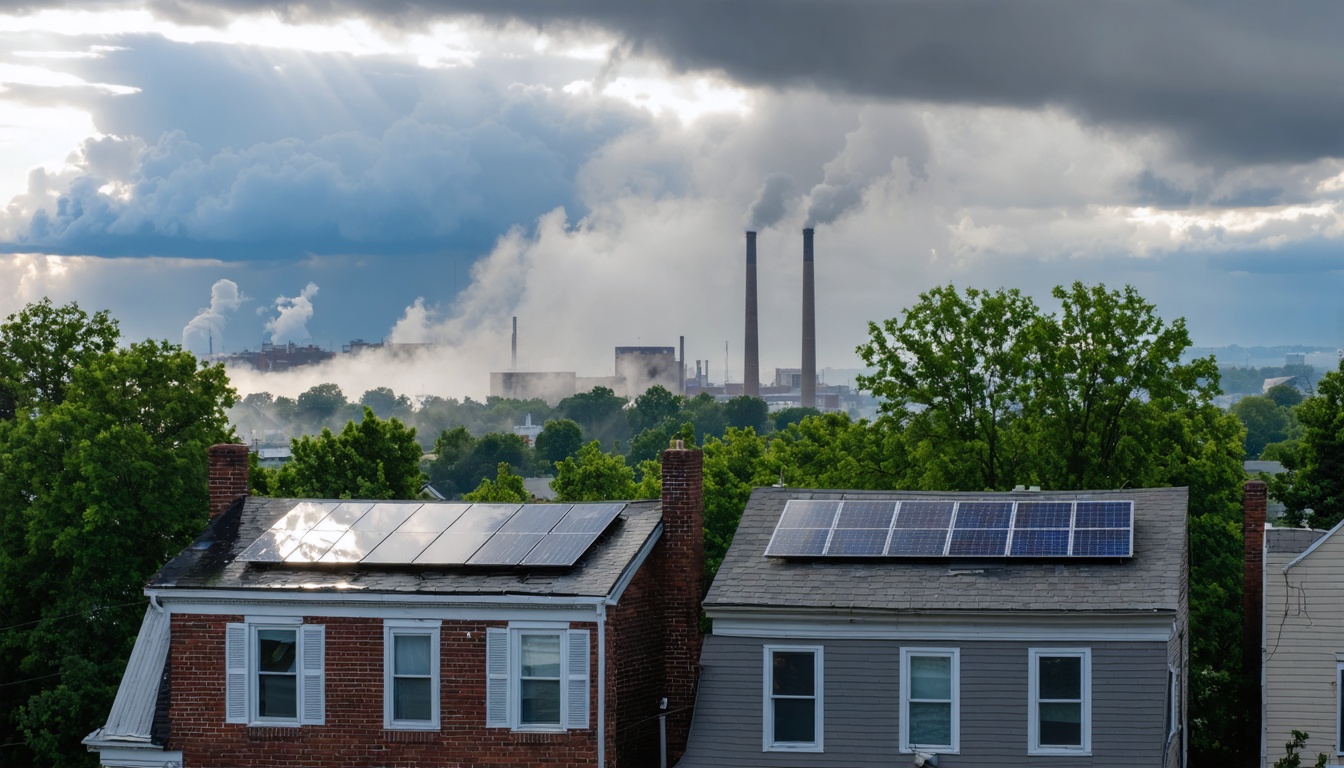
How Local Weather Shapes Solar Energy Decisions in Paterson, New Jersey
When evaluating the feasibility of solar energy in Paterson, it is essential to consider how local weather patterns influence energy production. The performance of solar panels is directly affected by the number of sunlight hours available, the frequency of cloudy days, and seasonal variations. Each of these factors can significantly impact the efficiency of solar installations and the potential financial savings for homeowners. Paterson experiences a range of weather conditions, including periods of cloud cover and winter months with shorter daylight hours. These conditions can reduce the overall electricity output from solar panels compared to areas with more consistent sunlight. It is important to analyze historical weather data to understand how these variables may affect long-term energy generation. Additionally, local policies and incentives can enhance the attractiveness of solar investments. Various state and federal programs may offer tax credits, rebates, or grants that can offset installation costs. However, the effectiveness of these incentives should be considered alongside the region's climate. Ultimately, before making a decision to install solar panels in Paterson, it is advisable to assess how local weather will influence energy production and savings over time. A thorough analysis of the local climate, combined with available incentives, will provide a clearer picture of the potential returns on investment.
Solar Irradiance and Seasonal Variations in Paterson
Paterson, New Jersey, averages approximately 4.7 peak sun hours per day, making it a viable location for photovoltaic (PV) panel installations. The energy output from solar systems in the area is affected by seasonal variations; typically, greater solar irradiance is observed during summer months, while winter months may result in reduced energy production.
Installers in the region report that solar equipment performance tends to remain stable throughout the year. This consistency is aided by regulations and programs such as net metering and the New Jersey Clean Energy Program, which can improve the financial aspects of solar energy investments.
Utilizing efficient solar systems can help homeowners reduce electricity costs and achieve long-term savings. Data from the National Renewable Energy Laboratory (NREL) supports the potential for significant savings associated with solar investments.
In conclusion, Paterson's solar resource availability, combined with supportive policies for solar energy development, may create favorable conditions for residents contemplating the installation of PV systems.
Financial Impacts of Weather on Solar System Performance
Local weather patterns in Paterson influence the financial performance of residential solar installations. After selecting a Solar Panel Installer Near Paterson, solar systems can typically generate about 13,000 kWh annually.
This energy output can contribute to a significant reduction in electricity costs and meet most household energy requirements. New Jersey's net metering program, established as a permanent policy in August through recent legislation, enables homeowners to earn credits for any surplus photovoltaic (PV) energy that is sent back to the grid.
This program is intended to provide equitable compensation from utility companies for excess energy production. Longitudinal studies suggest that homeowners can achieve considerable financial benefits from investing in solar energy.
Average savings from solar installations are estimated to reach approximately $83,000 over a 25-year period. This assessment is corroborated by data from the Department of Energy's National Renewable Energy Laboratory (NREL) and the Community Solar Energy Program (CSEP), which provide reliable metrics and insights pertinent to new solar developments.
Optimizing Solar Installation Timing for Maximum Output
Spring is considered a strategic time for installing residential solar panels in Paterson, New Jersey, due to favorable weather conditions that can enhance installation efficiency. According to data from the National Renewable Energy Laboratory (NREL), the climate during this season can positively influence the performance of solar panel setups.
Scheduling installations in spring allows homeowners the opportunity to maximize energy production ahead of the peak summer months, which is beneficial within the context of New Jersey's net metering credits program.
Employing experienced installers, such as Palmetto and other recognized firms, can improve the overall installation experience. Industry insights indicate that spring is often seen as an optimal time for solar projects, which can lead to reduced electricity costs over time.
Additionally, changes in legislation effective from August have made some incentives permanent, allowing homeowners who choose to install solar equipment to enjoy long-term financial advantages related to their electricity usage.
Market analyses suggest that installations conducted in spring in Paterson yield competitive price-per-watt ratios, reinforcing the economic rationale for investing in solar technology during this season.
Comparing Local Utility Rates and Solar Savings
The rising electricity rates in Paterson have become a relevant factor for homeowners considering solar energy options. In recent years, residential utility rates in the area have increased from 16.4 to 19.4 cents per kilowatt-hour (kWh). This upward trend may prompt homeowners to explore alternatives for reducing their energy costs.
Engaging the services of established solar installers, such as Palmetto, may assist in the transition to solar energy. New Jersey has enacted a permanent net metering program as of August, which enables homeowners to receive credits for surplus energy generated by their solar systems. This provision can further alleviate total electricity expenses.
The installation of residential photovoltaic (PV) panels offers potential financial benefits over time. Studies suggest that homeowners could save up to $83,000 over a 25-year period, contingent on their energy usage and the size of their solar system.
Additionally, the regulatory framework governing New Jersey's power grid and the prevailing price per watt support the notion that solar energy systems can represent a practical economic decision.
Further substantiation of these benefits comes from research conducted by the National Renewable Energy Laboratory (NREL), which highlights the financial merits of investing in solar technology in the Paterson region. Such data can aid homeowners in evaluating the feasibility of solar energy in relation to current and anticipated utility rate developments.
Evaluating Paterson’s Leading Solar Companies
When selecting a solar provider in Paterson, it is important to evaluate companies based on their track record for service quality and reliable installations. Providers such as Public Service Solar, Palmetto Energy, and Infinity Energy have undergone assessment through the EnergySage Marketplace, where they received positive ratings for aspects such as customer service, the quality of photovoltaic (PV) equipment, and professionalism in panel installations across New Jersey.
In choosing a solar installer, several factors should be taken into consideration. The company's experience in the industry, along with its pricing structure—particularly the cost per watt—can significantly influence your overall energy savings.
Furthermore, the scope of their services in relation to your electricity consumption requirements is critical. It is also necessary to evaluate how well their systems integrate with local grid and net metering programs, as these elements can affect long-term economic benefits.
Utilizing installation data from the National Renewable Energy Laboratory (NREL) can provide additional insights to help determine which installer aligns best with your specific energy needs. This approach facilitates a more informed decision-making process, focusing on the practical implications of solar energy adoption.
Conclusion
When evaluating solar energy options in Paterson, it is important to consider the city’s specific weather patterns and seasonal variations in sunlight. The presence of cloudy days can affect the performance of solar installations, necessitating careful planning to optimize output during sunnier periods. Additionally, analyzing local utility rates and available incentives can lead to significant cost savings. Engaging with established solar companies will provide more reliable service and installation. It is crucial to stay updated on advancements in solar technology and active community programs, as these factors can influence the efficacy and return on investment for solar energy initiatives in the area.