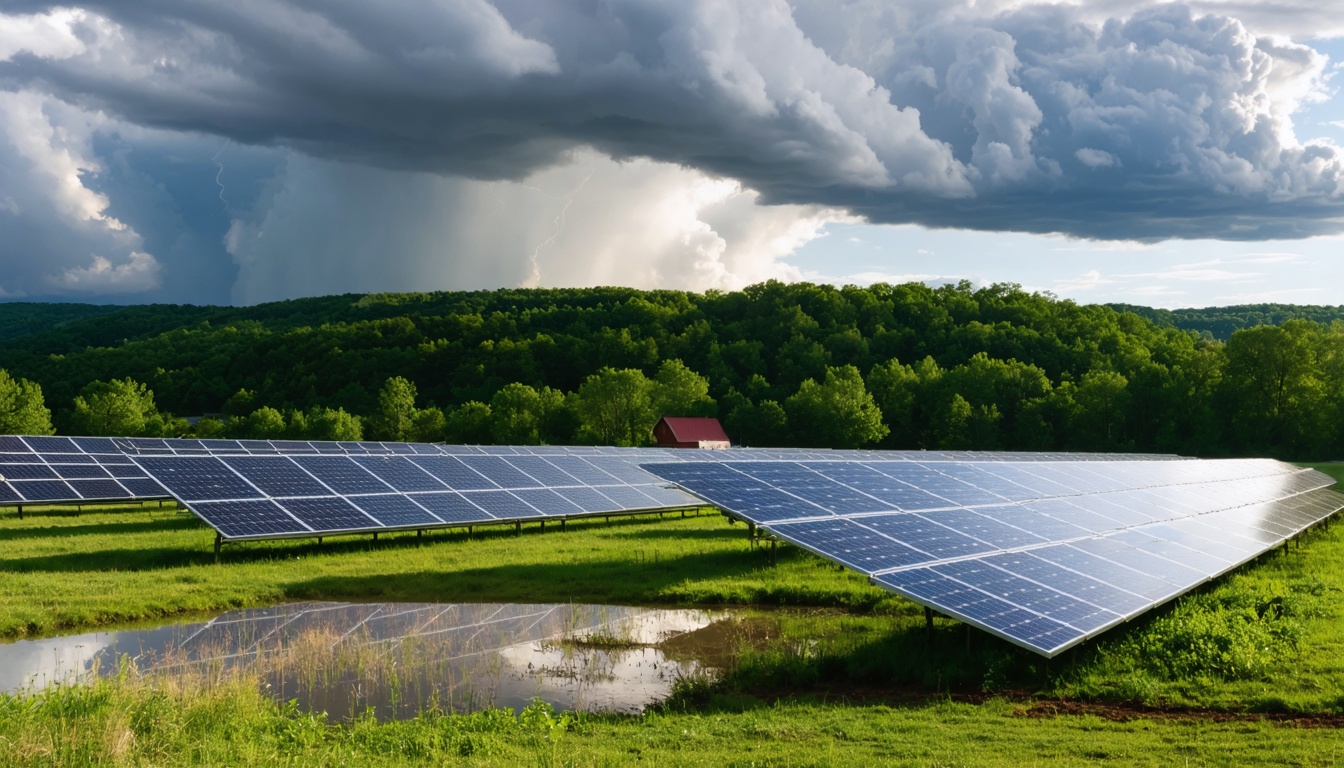
How Local Weather Shapes Solar Energy Decisions in Virginia
When considering an investment in solar energy in Virginia, local weather plays a significant role in shaping your decision. Factors such as the number of sunlight hours, cloud cover, and temperature variations directly impact the efficiency and effectiveness of solar panels. In Virginia, the number of sunlight hours varies throughout the year, with longer days in the summer and shorter days in the winter. This seasonal variation affects the amount of solar energy that can be harnessed. It is also worth noting that cloud cover can differ by region and can influence daily solar production. Consistent cloud cover may reduce the expected energy output, making it essential to analyze local weather patterns prior to installation. Temperature fluctuations can further influence the performance of solar panels. While solar panels are designed to operate efficiently under various conditions, extremely high temperatures can lead to decreased efficiency. This is an important consideration for solar panel placement and expected energy returns. Understanding these weather dynamics will help prospective investors assess the potential benefits and challenges associated with solar energy in Virginia. Evaluating local sunlight availability, typical cloud cover, and seasonal temperature patterns will provide a clearer picture of the overall feasibility and potential return on investment for solar energy systems in the region.
Seasonal Sunlight and Its Effect on Solar Output
Virginia's solar potential demonstrates seasonal variations that influence energy production, with solar systems generally achieving higher performance rates in the spring and fall. These seasons are characterized by increased operational efficiency of solar panels and prolonged sunlight exposure.
It is important to recognize that solar panel output may be affected by several factors, including changes in electricity bills, available incentives such as the Solar Tax Credit in Virginia, and energy programs, which can evolve with the seasons.
Reports from the solar industry indicate that winter conditions can sometimes improve panel performance, even in the presence of snow. This phenomenon is due to the reflective properties of snow, which can enhance light exposure to solar panels.
On the other hand, efficiency often declines during the summer months, primarily due to higher temperatures that can lead to increased electricity demand within households.
Legislative measures such as the Virginia Clean Economy Act (VCEA) and regulatory initiatives from the Corporation Commission have facilitated greater access to solar technology and net metering.
These regulations support the adoption of solar energy systems in both residential and commercial properties.
In specific areas like the Shenandoah Valley and Northern Shenandoah, local factors—including land use policies, tax incentives, and advancements in solar storage solutions—play a significant role in solar energy adoption.
Potential solar adopters in these regions should consider these local dynamics to effectively optimize their investments and understand the practical aspects of using solar energy.
Humidity, Temperature, and Weather Impact on Panel Performance
Virginia's climate presents both advantages and challenges for solar energy production. Key factors influencing the daily performance of solar panels in the region include humidity and temperature fluctuations.
During the summer months, elevated temperatures in areas such as the Shenandoah Valley and Northern Shenandoah can result in reduced panel efficiency. Specifically, there can be decreases of approximately 0.45% in efficiency for each degree Celsius increase due to temperature derating effects.
Humidity levels, particularly near data centers and coastal areas, can also affect solar panel performance by limiting incident solar irradiance. On the other hand, the cooler temperatures experienced during winter months may enhance the overall efficiency of solar systems, as noted in a legislative report.
However, snowfall can pose a challenge by creating temporary obstructions that limit energy production from roof-mounted panels.
Understanding these climatic factors is essential for consumers as they evaluate various incentives, utility regulations, energy bills, and net metering options related to solar energy usage in Virginia. This knowledge aids in making informed decisions regarding solar investments.
Land Use Changes and the Distribution of Solar Projects
The growth of solar energy in Virginia has resulted in heightened competition for land among various stakeholders, such as energy developers, agricultural producers, and conservation advocates.
Solar installations require approximately 7.5 acres per megawatt, which can have a considerable impact on agricultural lands and forested areas, particularly in regions like the Shenandoah Valley and Northern Shenandoah.
Current statistics show that about 90% of solar projects are located on agricultural lands, such as crop or pasture fields. This trend raises important questions regarding land use policies and economic implications, especially in relation to the Land Use and the Economy Act.
As a result, local governments have started to increasingly reject solar project proposals, even when state incentives, including those from the Clean Economy Act and net metering initiatives, are available.
Public sentiment generally emphasizes property rights, showcasing a complex relationship among legislative policies, tax regulations, and utility management strategies that affect the location of solar panels and data centers.
Local governments are tasked with balancing these various interests and their decisions will likely influence the trajectory of solar energy development in Virginia, highlighting the ongoing tensions between advancing renewable energy and conserving agricultural and natural resources.
Regulatory Frameworks and Local Authority Considerations
The regulatory framework for solar energy development in Virginia has seen significant changes, granting local governments increased authority in the review and approval processes for solar panel systems. This development places localities in an essential role as intermediaries between the state's clean energy goals and the specific needs of their communities.
Local governments are now implementing newly established rules and legislative programs to evaluate solar energy projects. In this evaluation process, they must balance a variety of factors, including energy access, tax incentives, and net metering, with considerations related to land use, visual impact, and privacy policies.
The oversight roles of the Commission on Electric Utility Regulation, industry association analyses, and recent legislative initiatives contribute to the complexity of these evaluations and have led to regional tensions, particularly in areas such as the Shenandoah Valley and Northern Shenandoah.
Furthermore, Governor Glenn Youngkin's endorsement of localized governance has corresponded with a reduction in the approval rates for solar energy projects. This decline poses challenges to meeting the objectives outlined in the Virginia Clean Economy Act (VCEA), particularly regarding electricity demand and the infrastructural requirements of expanding data centers.
Consequently, the ongoing evolution of the regulatory environment necessitates a thorough assessment of the implications of local authority on Virginia's clean energy initiatives.
Community Response and Policy Developments
Local communities in Virginia have raised concerns regarding solar energy projects, which contrasts with the state's objectives to promote clean energy. Recent discussions and reports indicate that the approval rates for solar systems have decreased, falling from 100% in 2016 to below 50% by 2024.
This trend is occurring alongside the implementation of the Virginia Clean Economy Act (VCEA) and related legislative initiatives intended to support renewable energy through various incentives and programs.
Nonetheless, local utility regulations that prioritize land use rights present challenges for solar project implementation. The Virginia State Corporation Commission and Appalachian Power are tasked with balancing the historical importance of agricultural land usage alongside the rising demand for electricity.
The involvement of consumer associations, informational newsletters, and data center operations adds complexity to the ongoing discussions about solar energy access and utility billing practices.
As tax implications evolve, stakeholders must navigate a complex landscape that requires a careful balance between environmental objectives and community interests.
Economic Factors and Future Prospects for Solar Expansion
Virginia ranks ninth in the United States for installed solar capacity, highlighting a significant investment in renewable energy, particularly through the state's $10.7 billion commitment, largely influenced by the Clean Economy Act. This investment has contributed to job creation and enhanced local access to energy resources.
The regulatory framework, established by the State Corporation Commission and implemented by companies like Appalachian Power, is vital for managing solar programs and net metering initiatives. Recently, however, there has been a noticeable decline in the approval rates for new solar projects.
This downturn is primarily attributed to land use challenges, which could affect the feasibility of future installations on residential rooftops and in data centers.
Looking ahead, the continued growth of solar energy in Virginia will depend on several critical factors. These include effective management of electricity demand, improvements in energy storage technologies, and the evolution of utility regulations.
Such elements are essential in determining the future trajectory of solar energy expansion in the state.
Conclusion
When evaluating solar energy opportunities in Virginia, it is important to understand the impact of local weather patterns. Factors such as seasonal variations in sunlight, temperature fluctuations, and humidity levels can significantly affect the efficiency and performance of solar panels. Monitoring these weather trends, alongside land use and regulatory developments, aids in making more informed investment decisions. Furthermore, keeping abreast of policy changes and community perspectives is crucial, as these elements can influence the economic viability and long-term sustainability of solar projects in the region. Understanding these dynamics will help stakeholders assess the overall feasibility and adaptability of solar energy initiatives in Virginia.