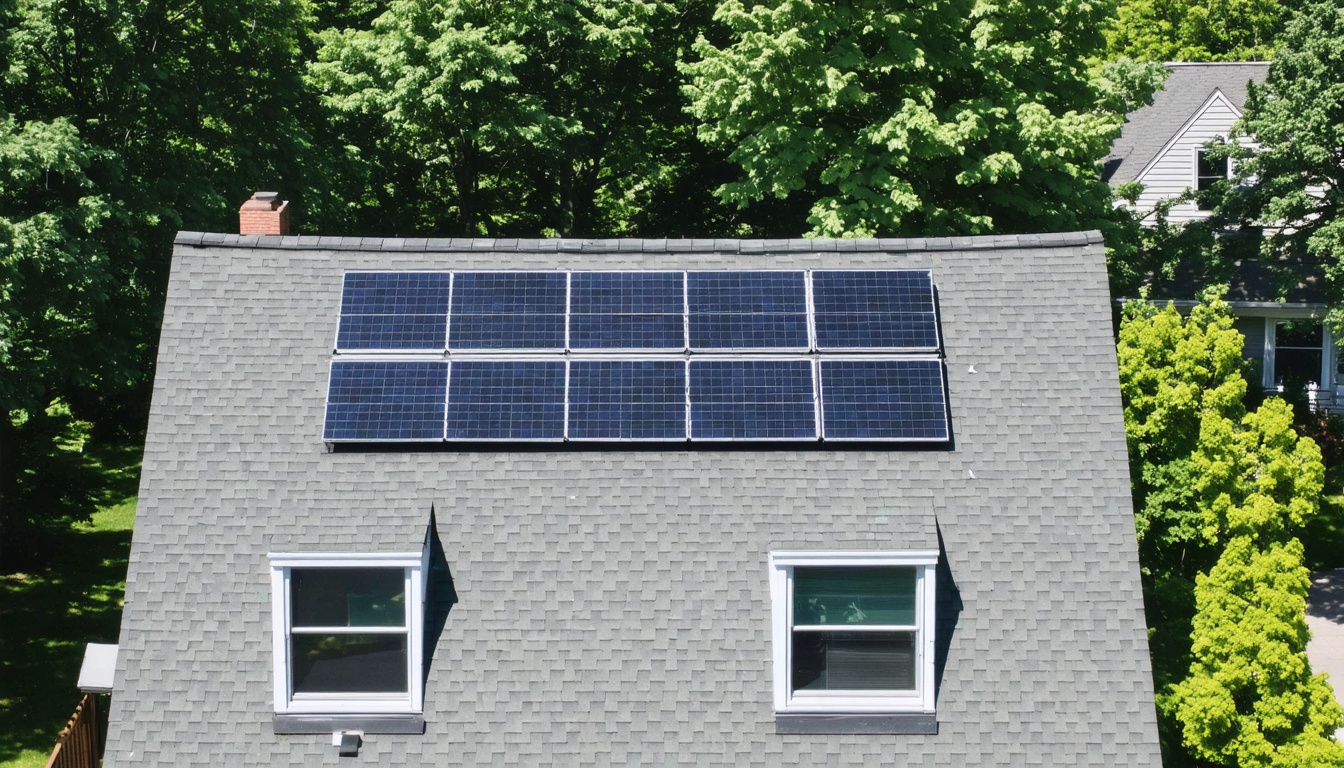
Solar Ready Roof Upgrades That Matter for Homes in Bridgeport, Connecticut
Upgrading to a solar ready roof can enhance the energy efficiency of homes in Bridgeport, Connecticut. This upgrade facilitates a more straightforward installation process for solar panels, aligns with available financial incentives, and can potentially increase the property's market value. In preparation for solar panel installation, several key upgrades can be implemented. Firstly, reinforcing the structural integrity of the roof is crucial, as solar panels need a stable foundation to ensure durability and safety. Additionally, ensuring proper roof orientation and slope can optimize sunlight absorption, which is essential for maximizing the efficiency of solar energy systems. Installation of conducive roofing materials, such as asphalt shingles or metal, can also contribute to better performance in conjunction with solar technology. Moreover, considering electrical infrastructure updates, such as additional wiring or a new inverter, may be necessary to support the increased energy demands. Overall, thoughtful planning and execution of these upgrades can lead to significant long-term savings on energy bills and create a more sustainable home environment.
Key Features of a Solar-Ready Roof in Bridgeport
When evaluating the installation of a solar-ready roof in Bridgeport, it is important to focus on structural integrity and the compatibility of materials. A residential roof designed for solar panel integration should ideally have a slope between 15 and 30 degrees, and it is recommended to be built with durable materials such as asphalt shingles or metal.
These considerations not only enhance the roof's longevity but also help maintain warranty coverage, which is crucial for maximizing the effectiveness of solar energy systems.
Collaboration with professionals experienced in solar installations within Connecticut can help homeowners navigate their options, often beginning with free consultations. Ensuring that any new roofing adheres to local building codes is essential, as it must support solar systems and potential battery energy storage, thereby facilitating the benefits associated with renewable energy sources.
Moreover, proper installation by qualified roofing contractors is necessary to ensure both compatibility and energy efficiency, which can lead to lowered energy and utility costs. An effective installation also enables participation in net metering programs, which allows homeowners to earn credits for any surplus energy generated by their solar systems.
Homeowners are encouraged to explore financial incentives, grants, and financing options that may be available to ease the initial investment required for a solar-ready roof. Access to these resources can enhance the affordability and practicality of transitioning to solar energy systems.
Streamlining the Solar Installation Process
Before solar panels can operate effectively in generating clean energy for your household, it's important to understand the installation process and how it fits your individual needs. In Bridgeport, the installation process begins with a complimentary consultation. During this assessment, qualified professionals analyze your roof’s structure, your household's energy consumption, and relevant property specifications. This information is used to design a customized solar system that meets requested quality standards and energy output.
The installation generally spans one to two days and is conducted by a certified team that follows recognized industry practices. Throughout the installation, SunPol Solar ensures compliance with local building codes and permits, conducting necessary inspections and securing required approvals.
Moreover, the company offers guidance on net metering, which enables homeowners to accumulate credits for surplus energy generated, as well as options for battery storage solutions. Clients are also provided with information regarding warranties and potential incentives, facilitating an informed decision-making process.
For additional information or to begin the consultation, prospective clients are encouraged to reach out for assistance.
Financial Incentives and Long-Term Savings
Solar energy offers homeowners in Bridgeport a means to evaluate their long-term financial strategies. The installation of solar roof systems can result in significant cost savings over time, with estimates suggesting homeowners might save between $30,000 and $60,000 over a 25-year period on utility bills and property taxes. These savings are largely influenced by the financial incentives provided by Connecticut and the benefits of net metering.
Several financing options are available to ease the initial costs associated with solar installation. Prepaid leases and power purchase agreements (PPAs) are common choices that can help mitigate upfront expenses.
At the same time, as utility rates are expected to rise, solar energy installations may provide homeowners with more stable and predictable energy costs, aiding in their long-term financial planning.
The installation process is carried out by qualified professionals who conform to local building regulations. The duration of the installation varies but typically takes several weeks. This period includes securing necessary town inspections and permits.
For homeowners interested in solar energy, consultations can offer detailed information regarding potential financial benefits and various financing options, such as those outlined on https://solarpanelsbridgeportct.com/.https://solarpanelsbridgeportct.com/
Customer Experiences with Solar Roofing Upgrades
Local testimonials from homeowners in Bridgeport indicate that solar roofing upgrades can lead to considerable energy cost savings. Reports suggest that residents may save between $30,000 to $60,000 over the solar system's operational lifespan, depending on individual circumstances and energy consumption patterns.
The installation timeline for solar roofing systems generally ranges from one to three days. This process is managed with attention to quality and adherence to local building regulations.
Homeowners should also be aware of the warranty options available; warranties can extend up to 50 years, enhancing the investment's longevity.
Financial accessibility is another important aspect of solar roofing. Options such as prepaid leases and power purchase agreements (PPAs) are available, offering Connecticut homeowners various pathways to integrate solar solutions into their residences.
Installation companies typically provide ongoing support through the installation process, including guidance on local inspections, net metering applications, and considerations for battery storage.
For homeowners contemplating a solar roofing upgrade, scheduling a consultation could provide tailored insights into the benefits and implications of such an investment based on their unique energy needs and financial situations.
Choosing the Right Local Installer for Your Solar Project
Selecting a qualified installer for your solar roof upgrade in Bridgeport is important for maximizing the performance and longevity of your solar system. Companies with proven experience, such as SunPol Solar, typically offer professional installation services using Tier 1 solar panels. These panels generally come with a 25-year warranty for residential applications in Connecticut.
When considering potential installers, it is advisable to assess their financing options, including Power Purchase Agreements (PPAs). Such arrangements can help reduce total energy expenses and lower utility bills for homeowners.
Additionally, it is vital for the installation team to meet local building codes and regulations, manage net metering effectively, and assist with the integration of battery storage systems. A qualified installer will handle the entire process, ensuring compliance with municipal inspection requirements and obtaining necessary approvals.
Homeowners interested in understanding available incentives and financing options should consult with a professional installer. This approach can yield essential insights into the financial and logistical considerations involved in solar energy installations.
Conclusion
Upgrading to a solar-ready roof in Bridgeport can enhance energy efficiency and potentially reduce energy costs for homeowners. Key structural features, such as appropriate roof angles and materials, play a crucial role in the installation of solar panels, and collaborating with a qualified local installer can facilitate a more efficient setup process. In Connecticut, there are financial incentives available, such as tax credits and rebates, which can further offset the initial investment in solar technology. Additionally, a solar-ready roof can increase a property's market value, as homes with sustainable energy solutions are often viewed favorably by prospective buyers. Planning for energy independence through such upgrades can contribute to long-term financial stability, as reliance on conventional energy sources might decrease over time. Overall, investing in a solar-ready roof is a strategic decision that aligns with both environmental considerations and potential economic benefits.